Teeth grinding, especially during sleep, can place considerable pressure on your teeth and jaw muscles. If you grind or clench your teeth, you may wonder whether this habit could damage your clear aligners or interfere with orthodontic treatment. So, can you get Invisalign if you grind your teeth? Are Invisalign aligners able to withstand grinding forces, and what should you know before starting treatment?
Mục lục
Can you get Invisalign if you grind your teeth?
Yes. People who grind their teeth may still be suitable candidates for Invisalign treatment. Having bruxism, the medical term for teeth grinding or clenching, does not automatically mean that clear aligner treatment is unsuitable.
However, your orthodontist will need to consider the severity of your bruxism, the condition of your teeth, your bite, jaw muscle function, and any associated symptoms. If you grind your teeth heavily, frequently experience jaw pain, or already have signs of tooth wear or fractures, a more detailed assessment is particularly important before starting orthodontic treatment.
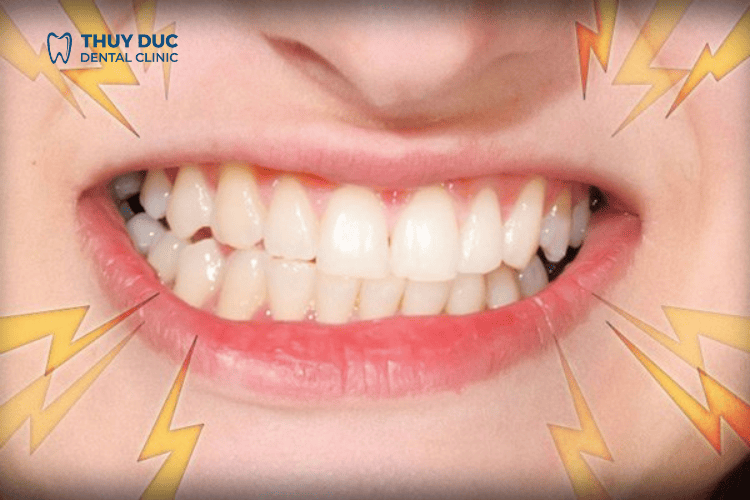
A systematic review published in the Journal of Oral Rehabilitation in 2026 found that most included studies reported a relatively neutral effect of clear aligners on bruxism activity. However, findings were not entirely consistent, and the available evidence does not establish that clear aligners reliably reduce or increase teeth grinding.
Therefore, bruxism does not necessarily rule out Invisalign treatment. However, Invisalign should not be chosen specifically as a treatment for teeth grinding.
Can teeth grinding affect Invisalign treatment?
Bruxism involves repetitive jaw muscle activity, such as clenching or grinding the teeth. It can occur while you are awake or during sleep. Depending on its severity, bruxism may create several challenges during Invisalign treatment.
If you regularly wake up with jaw soreness or suspect that you grind your teeth at night, it may be helpful to learn more about sleep bruxism, its symptoms, and treatment options.
Increased risk of aligner wear, cracks, or damage
Invisalign aligners are designed to move teeth through a series of planned orthodontic stages. They are not specifically manufactured to function as protective night guards for bruxism.
When someone frequently grinds or clenches their teeth with significant force, the aligners may experience additional mechanical stress during wear.
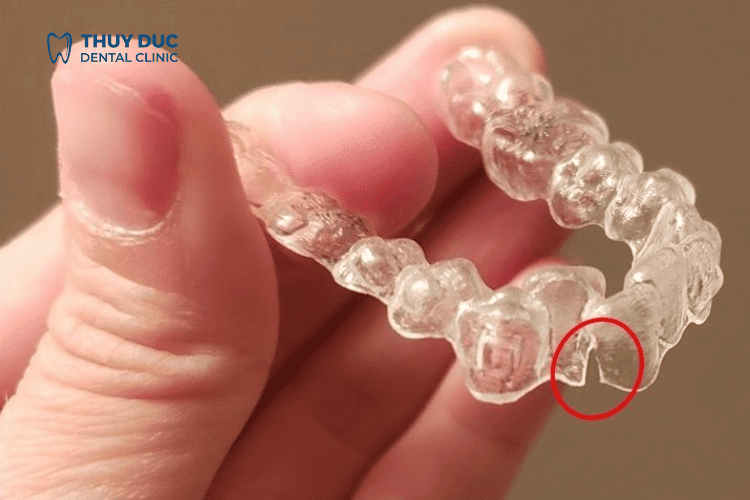
In some cases, this may contribute to excessive wear, cracks, or other damage to the aligners. However, not everyone with bruxism will experience broken trays, and there is currently insufficient evidence to predict the exact risk of aligner damage at different levels of grinding severity.
Jaw muscle pain and discomfort while wearing aligners
People who grind their teeth may experience tight or sore jaw muscles, morning jaw fatigue, headaches, or discomfort around the area in front of the ears.
During Invisalign treatment, these symptoms should be monitored carefully and distinguished from the temporary tooth pressure or tenderness that may occur when switching to a new set of aligners.
If jaw pain persists, becomes more severe, or is accompanied by difficulty opening your mouth, inform your orthodontist. These symptoms may require further assessment rather than simply being attributed to normal orthodontic discomfort.
Potential interruptions to orthodontic treatment
If your aligners repeatedly become damaged, no longer fit your teeth properly, or need to be removed frequently because of jaw discomfort, your treatment may be interrupted.
However, current evidence is insufficient to conclude that bruxism directly reduces the effectiveness of Invisalign tooth movement in every patient.
Your orthodontist should assess how well the aligners fit, whether your teeth are tracking according to the treatment plan, and whether any jaw-related symptoms require additional care before making adjustments.
Can wearing Invisalign help reduce teeth grinding at night?
There is currently insufficient scientific evidence to confirm that Invisalign can treat or consistently reduce sleep bruxism.
Some studies have reported improvements in perceived jaw clenching, muscle discomfort, or certain measures of jaw muscle activity among people wearing clear aligners. Other studies have found no significant changes in grinding frequency, while some have observed different patterns of muscle activity.
These mixed findings mean that clear aligners should not be considered an established treatment for sleep bruxism.

It is also important to understand the difference between Invisalign aligners and night guards for teeth grinding.
Invisalign aligners are orthodontic appliances designed to apply controlled forces and gradually reposition teeth. Night guards, on the other hand, are generally intended to help protect teeth from damage associated with grinding or clenching.
Although Invisalign aligners create a layer of material between the upper and lower teeth, this does not mean they provide the same protection as a dedicated night guard or address the underlying causes of bruxism.
For a better understanding of their different purposes, you can read more about night guards for teeth grinding and their different types.
What should you do before getting Invisalign if you grind your teeth?
Before starting Invisalign treatment, tell your orthodontist if you have a history of grinding your teeth during sleep, clenching your jaw when stressed, or frequently experiencing jaw muscle soreness.
Your orthodontic assessment may include the following:
- Evaluating your bruxism: Your orthodontist may ask about the frequency and timing of your grinding or clenching habits and look for signs such as tooth wear, cracks, or jaw muscle tenderness.
- Examining your teeth and bite: Existing dental damage, tooth alignment, and bite-related problems should be assessed before planning orthodontic tooth movement.
- Assessing your jaw muscles and temporomandibular joints (TMJs): This is particularly important if you experience jaw pain, muscle fatigue, restricted mouth opening, or painful joint clicking.
- Planning appropriate follow-up care: Depending on your symptoms and the condition of your aligners, your orthodontist may recommend more frequent checks during treatment.
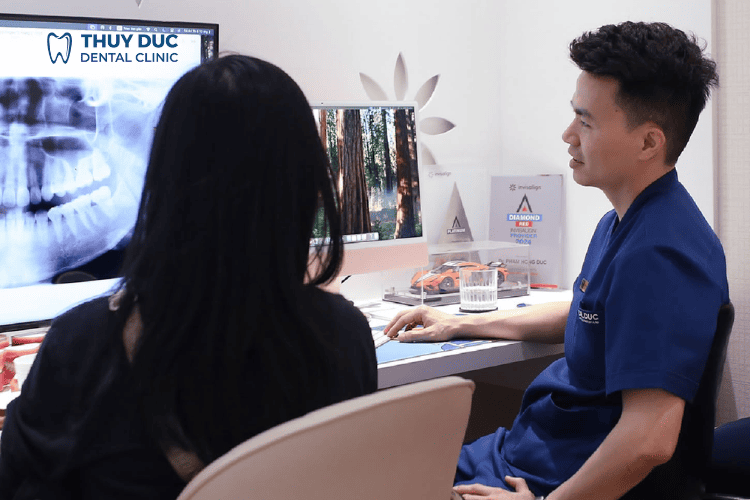
For patients with severe bruxism or significant jaw discomfort, additional assessment and management may be recommended before or alongside orthodontic treatment.
The goal is to determine whether Invisalign is appropriate for your individual dental condition and how any existing symptoms can be managed throughout treatment.
What should you do if you grind your teeth while wearing Invisalign?
If you notice that you frequently grind or clench your teeth while wearing Invisalign, do not stop using your aligners without consulting your orthodontist.
Instead, discuss your symptoms with your dental care provider so they can evaluate your condition and recommend appropriate next steps.
Several practical measures may help you manage the situation:
- Inspect your aligners regularly: Look for signs of excessive wear, cracks, distortion, or changes in how closely the trays fit your teeth. Contact your orthodontist if you notice any damage.
- Do not add a night guard on your own: Wearing another oral appliance instead of your Invisalign aligners may interfere with the prescribed wear schedule and planned tooth movements. Any additional appliance should be discussed with your orthodontist first.
- Be mindful of daytime clenching: Try to recognize when you are tightening your jaw, particularly during stressful situations or periods of intense concentration. Consciously relaxing your jaw muscles may help reduce unnecessary daytime clenching.
- Maintain healthy sleep habits and manage stress: Getting adequate sleep, limiting caffeine in the evening, and practicing relaxation techniques may help address some factors associated with bruxism, although these measures do not guarantee that sleep grinding will stop.
- Report jaw pain or damaged aligners: If you repeatedly wake up with jaw soreness, notice cracks in your trays, or develop unusual symptoms, contact your orthodontist promptly.
In some cases, further evaluation may be needed for sleep bruxism, sleep-related disorders, jaw muscle pain, or temporomandibular disorders (TMD).
If you experience persistent discomfort around your jaw joints during orthodontic treatment, you may also find it helpful to learn about temporomandibular joint problems during orthodontic treatment.
Management should always be tailored to your individual needs. Avoid using over-the-counter night guards or other oral appliances without professional advice, as they may not be compatible with your Invisalign treatment plan.
In summary, you may still be able to get Invisalign if you grind your teeth, provided your orthodontist determines that clear aligner treatment is appropriate for your condition. However, Invisalign is not a treatment for bruxism and should not be considered a direct replacement for a dedicated night guard.
A thorough assessment before treatment, regular monitoring of your aligners, and appropriate management of jaw muscle symptoms can help support a safer and more comfortable orthodontic experience.