As you approach the end of your Invisalign treatment, your orthodontist may recommend additional aligners even though you have nearly completed your original set. This can raise several questions: Is something wrong with the treatment? Will you have to pay extra? And how much longer will it take?
In fact, Invisalign refinements are a common part of orthodontic treatment for some patients. They allow your orthodontist to make additional adjustments and improve the final alignment of your teeth and bite. Below, we explain why refinements may be needed, how the process works, and what to expect.
Mục lục
- What are Invisalign refinements? Do they mean treatment has failed?
- Why does your orthodontist recommend additional Invisalign aligners?
- Do Invisalign refinements require a new scan or additional attachments?
- How long do Invisalign refinements take?
- How many rounds of Invisalign refinements are normal?
- Are Invisalign refinements included in the original treatment cost?
- What should you do if your Invisalign refinement trays do not fit?
- Can you refuse Invisalign refinements?
- What happens after your last Invisalign tray?
What are Invisalign refinements? Do they mean treatment has failed?
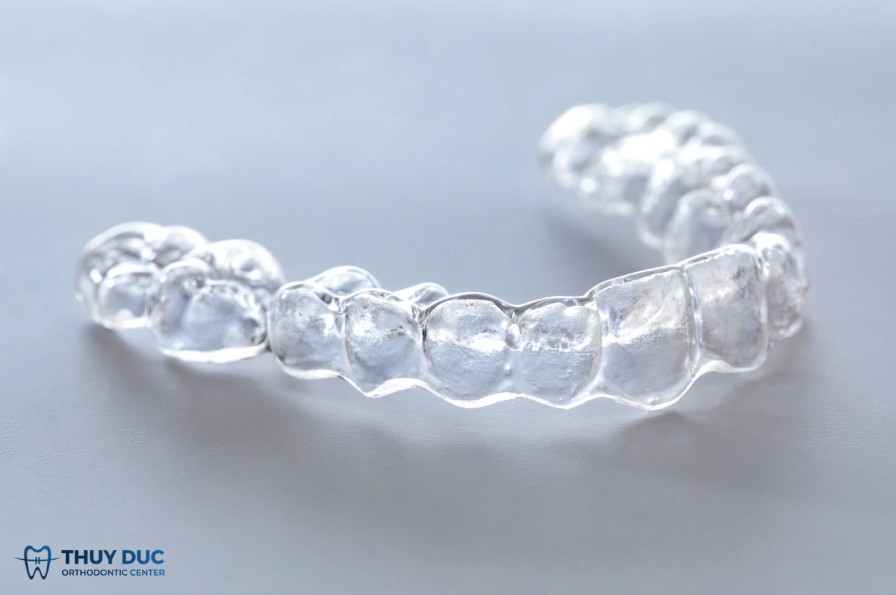
Invisalign refinements involve using additional clear aligners to adjust teeth that have not fully reached their intended positions during an earlier stage of treatment. These extra aligners are generally designed based on your teeth’s current positions and an updated treatment plan.
Needing refinements does not automatically mean your Invisalign treatment has failed. Tooth movement is a biological process, and the actual response may differ from the movements predicted in the digital treatment plan. Refinements give your orthodontist an opportunity to address these differences and work toward the intended treatment goals.
However, not every patient needs refinements. If your teeth have moved as planned, your bite is satisfactory, and your orthodontist confirms that treatment goals have been achieved, you may proceed directly to the retention phase without additional aligners.
Why does your orthodontist recommend additional Invisalign aligners?
The initial number of Invisalign aligners is determined using a digital treatment plan developed with ClinCheck software. However, actual tooth movement does not always match the simulation precisely.
Several factors may lead your orthodontist to recommend refinement aligners:
- Some teeth have not reached their planned positions: Certain teeth may move more slowly than expected or may not achieve the intended rotation, angulation, or other movements.
- Your bite needs further adjustment: Even when your teeth appear relatively straight, the way your upper and lower teeth fit together may still require improvement.
- Your aligners are no longer tracking properly: If your teeth do not follow the planned movements, the aligners may develop noticeable gaps or stop fitting as intended.
- Insufficient daily wear time: Frequently leaving aligners out for longer than recommended can interfere with planned tooth movement.
- Final aesthetic adjustments are needed: Your orthodontist may recommend minor corrections to achieve the agreed treatment goals.
As a result, the total number of Invisalign aligners you wear may be greater than originally estimated. This reflects an adjustment to your treatment plan based on your actual progress, rather than necessarily indicating that Invisalign has been ineffective.
To understand how digital planning, aligner changes, and clinical monitoring fit together, you can read our guide to the Invisalign treatment process.
Do Invisalign refinements require a new scan or additional attachments?
Your orthodontist may recommend a new digital scan, changes to your attachments, or both during the refinement stage. However, these steps are not necessarily required in every case.
Do you need another scan for Invisalign refinements?
In many cases, your orthodontist will take a new digital scan to record the current positions of your teeth. The updated information is then used to develop or revise the ClinCheck treatment plan and design additional aligners.
Whether another scan is necessary depends on the reason for refinement, the available clinical records, and the technical requirements of your case. It should not be assumed that every request for additional aligners requires a completely new scan.
Will you need new attachments during Invisalign refinements?
Possibly. Invisalign attachments are small, tooth-colored composite features bonded to selected teeth. They help the aligners apply forces needed for particular tooth movements.
When the treatment plan changes, your orthodontist may keep existing attachments, remove some, reposition them, or add new ones to support the remaining movements.
These decisions are based on the updated treatment plan and your clinical needs. Not everyone undergoing refinements will require additional attachments.
For more information about their function, see our article on Invisalign attachments.
How long do Invisalign refinements take?
There is no fixed Invisalign refinement timeline that applies to every patient. The duration depends on the number of additional aligners, the complexity of the remaining tooth movements, and the aligner-change schedule prescribed by your orthodontist.
For example, if your refinement plan includes eight aligners and your orthodontist instructs you to change them every seven days, wearing those additional aligners would take approximately eight weeks.
This is only an illustrative calculation, not a standard refinement duration for Invisalign.
The overall timeline may also include time for collecting updated records, revising the treatment plan, manufacturing the aligners, and attending follow-up appointments.
Therefore, your total Invisalign treatment time may be longer than initially estimated, particularly if several teeth still need correction or your bite requires further adjustment. Your orthodontist will reassess your progress and provide an updated estimate of when treatment may be completed.
You can also learn more about the factors affecting overall treatment duration in our article on how long Invisalign treatment takes.
How many rounds of Invisalign refinements are normal?
There is no single number of refinement rounds considered normal for every Invisalign patient.
Some patients complete treatment without refinements, while others may need one or more additional sets of aligners to achieve their treatment goals. The number of refinement rounds depends on the complexity of the original alignment problems, how the teeth respond to treatment, and the corrections that remain necessary.
It is important to distinguish between the number of refinements clinically needed and the number of additional aligner orders included in your Invisalign package.
Different Invisalign products may have different limits and eligibility periods for additional aligners. These contractual allowances do not determine how many refinements your teeth will actually need.
If several refinement rounds are recommended, ask your orthodontist which teeth or bite relationships still need correction, why the previous movements have not been fully achieved, and what the next stage is intended to accomplish.
The number of refinement rounds alone is not a reliable measure of treatment success.
Are Invisalign refinements included in the original treatment cost?
Invisalign refinement costs may be included in your original treatment fee or may involve additional charges. This depends on your Invisalign package, the applicable eligibility period, and your dental clinic’s pricing and treatment agreement.
Some Invisalign packages offered by Align Technology include provisions for ordering additional aligners within specified conditions and time limits. However, these provisions are not identical across all products.
Even when additional aligners are covered under a manufacturer’s package, the amount you personally pay may still depend on your agreement with the dental clinic.
Before starting refinements, consider asking the following questions:
- Does my current Invisalign package include refinement aligners?
- How many additional aligner orders are covered, and for how long?
- Will there be separate charges for digital scans, follow-up appointments, or treatment-plan adjustments?
- What happens if I need more aligners than my package allows?
You should not assume that all Invisalign refinements are free. Equally, needing extra aligners does not necessarily mean you will have to pay more.
What should you do if your Invisalign refinement trays do not fit?
Refinement aligners should fit closely over your teeth according to their design. If you notice a significant gap between the aligner and your teeth, the tray does not seat fully, repeatedly lifts away from the teeth, or causes unusual pain, contact your orthodontist for an assessment.
Possible reasons include teeth not tracking as expected, an attachment-related issue, a distorted aligner, or another problem that requires clinical evaluation.
Do not move to the next aligner, trim the tray, or force it into place without professional guidance.
Your orthodontist may check the fit, provide instructions to help the aligner seat properly, adjust how long you wear the current tray, or reassess the treatment plan if necessary.
Can you refuse Invisalign refinements?
You can discuss whether to proceed with refinements and make an informed decision after your orthodontist explains the expected benefits and potential consequences of stopping treatment.
However, if your teeth or bite have not reached the intended treatment goals, declining refinements may mean accepting a result that is less complete than originally planned.
Before deciding, ask your orthodontist which teeth still require adjustment, what may happen if those corrections are not completed, how much additional time is expected, and whether there are any extra costs.
If you decide to end active treatment, your orthodontist should still assess your teeth and bite and recommend an appropriate retention plan.
Do not simply stop wearing your aligners without arranging professional follow-up.
What happens after your last Invisalign tray?
After you finish your final Invisalign aligner, your orthodontist will evaluate your tooth positions, bite relationship, and whether the agreed treatment goals have been achieved.
Depending on the findings, treatment may proceed in one of two directions:
- Additional refinements are needed: Your orthodontist develops a plan for extra aligners to complete the remaining tooth movements.
- Active treatment is complete: Your orthodontist confirms that the treatment goals have been met, removes attachments when appropriate, and provides instructions for wearing retainers.
Retainers, including options such as Invisalign Vivera, help maintain tooth positions after orthodontic treatment and reduce the risk of unwanted tooth movement.
The type of retainer and how often you need to wear it should follow your orthodontist’s individual recommendations.
In summary, needing Invisalign refinements or taking longer than originally expected does not mean your treatment has failed. Additional aligners may be an appropriate way to complete the remaining tooth movements and improve the final result. What matters most is understanding why refinements are recommended, what the additional aligners are intended to achieve, and how your orthodontist will monitor your progress.