Invisalign aligners are designed with edges that follow the contours of your gumline to provide a comfortable fit. However, some patients may still experience sharp Invisalign aligner edges that rub against their gums, lips, or cheeks. In some cases, the irritation may continue even after the edges have been adjusted.
So, what should you do if your Invisalign aligner has sharp edges? Is it safe to file them down at home, or should you see your orthodontist?
Mục lục
Why do Invisalign aligners have sharp edges that hurt your gums?
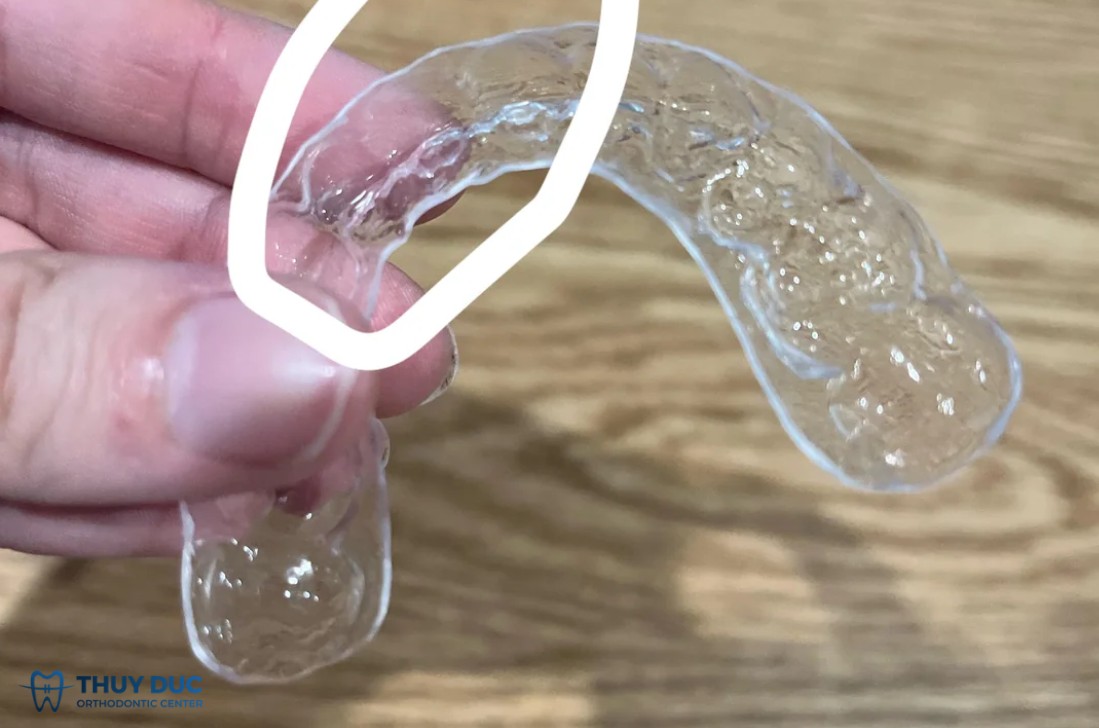
According to Invisalign, its clear aligners are made from SmartTrack material and feature edges trimmed to follow each patient’s gumline. This design is intended to improve fit, appearance, and comfort during orthodontic treatment.
However, certain areas along the aligner edges may still rub against or irritate the soft tissues inside your mouth. Several factors may contribute to this problem:
- Rough or sharp aligner edges: A small uneven area along the edge of an aligner may rub against your lips, cheeks, or gums when you speak, swallow, or move your mouth.
- Edges that do not fit your gumline properly: If part of the aligner extends too far or presses against a particular area of soft tissue, it may cause repeated friction or discomfort.
- Cracked, chipped, or distorted aligners: Damage to an aligner can create uneven or sharp edges that irritate the surrounding tissues.
- Sensitive or already irritated gums: When your gums or oral tissues are inflamed or sore, even light contact with an aligner may cause discomfort.
It is important to distinguish between the normal pressure you may feel on your teeth when switching to a new aligner and localized pain caused by an edge rubbing against your gums.
If your aligners repeatedly scratch your gums or cause persistent soreness, have your orthodontist check them rather than trying to tolerate the irritation.
You can also learn more about SmartTrack material used in Invisalign aligners and how it contributes to aligner fit and performance.
What should you do if your Invisalign aligner has sharp edges?
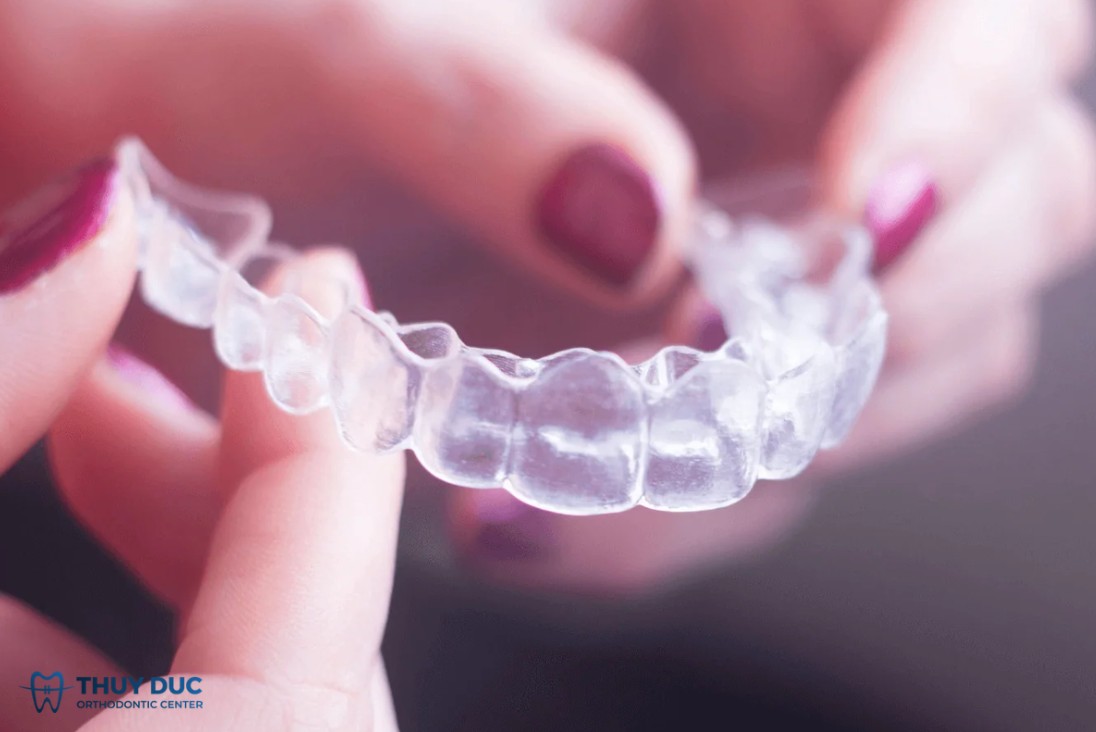
If you notice a sharp edge on your Invisalign aligner or experience gum irritation, contact your orthodontist for an assessment and appropriate guidance.
This is particularly important if the aligner causes sharp pain, bleeding, or mouth sores. If an edge is actively injuring your gums or cheeks, do not continue wearing the irritating aligner without seeking professional advice on how to proceed.
During your appointment, your orthodontist may identify the area causing discomfort and recommend one of the following solutions:
- Smoothing or adjusting the aligner edge: If the problem is caused by a small rough area, your orthodontist may carefully smooth the edge using an appropriate dental instrument.
- Checking the aligner fit: If the tray does not fit correctly or its edge places unusual pressure on your gums, your orthodontist will assess the underlying cause before making adjustments.
- Examining irritated oral tissues: If your gums, lips, or cheeks have already been injured, your orthodontist can recommend appropriate care and advise you on wearing your aligners while the tissues heal.
- Considering a replacement aligner: If the tray is damaged or cannot be adjusted without affecting its fit, your orthodontist may recommend a replacement or another suitable solution.
Do not cut away large sections of the aligner edge or attempt to reshape the tray yourself. Incorrect modifications may affect how closely the aligner fits your teeth and interfere with its intended orthodontic function.
Can you file down sharp Invisalign edges at home?
Some orthodontic practices suggest using a fine nail file or similar smoothing tool to address minor rough edges on clear aligners. However, you should not file, trim, or modify your Invisalign aligners at home unless your treating orthodontist has specifically instructed you to do so.
It can be difficult to determine which part of an aligner can be safely adjusted and how much material can be removed without affecting its fit.
Filing away too much material or creating a new uneven edge may lead to further irritation. It may also change the way the aligner sits against your teeth.
If your orthodontist confirms that only a small rough area needs smoothing and provides instructions for doing so at home, follow those instructions carefully.
Never use scissors, knives, sharp instruments, or heat to reshape your aligners. These methods may damage the material or alter the tray’s intended shape.
What if your Invisalign aligner still feels sharp after being adjusted?
If your orthodontist has already smoothed the edge but the same area continues to cause pain or irritation, return to the clinic for another assessment instead of repeatedly filing it yourself.
Persistent discomfort may indicate that the problem involves more than a small rough edge, such as an issue with the aligner’s fit or the condition of the surrounding soft tissues.
How can you prevent Invisalign edges from irritating your gums?
Although occasional irritation can occur during clear aligner treatment, a few simple habits may help reduce the risk of sharp edges rubbing against your gums or cheeks.
- Inspect your aligners before wearing them: Check the edges and surfaces for cracks, rough areas, or other visible damage, especially when switching to a new set of trays.
- Remove and insert your aligners carefully: Follow your orthodontist’s instructions to avoid bending, cracking, or damaging the edges during handling.
- Avoid hot water and heat: Never use hot water, a hair dryer, or another heat source to soften or reshape the aligner edges, as heat can distort the material.
- Maintain good oral hygiene: Keep your teeth, gums, and aligners clean, and pay attention to areas that become red, swollen, or painful when they come into contact with the trays.
- Report persistent irritation: Contact your orthodontist if an aligner repeatedly scratches your gums, causes mouth sores, or feels sharp in the same location.
Proper handling is also important for keeping your trays in good condition throughout treatment. If you find your aligners difficult to remove, ask your orthodontist to demonstrate the correct technique rather than pulling forcefully on the edges.
Understanding the Invisalign treatment process can also help you know what to expect when changing aligners and attending follow-up appointments.
If your discomfort is accompanied by other changes in your gums or teeth, your orthodontist can determine whether it is related to the aligner edges or another issue that requires attention. You can find additional information about Invisalign attachments and their role in orthodontic treatment, as these small composite features may also affect how aligners fit and are removed.
In summary, sharp Invisalign aligner edges can sometimes rub against your gums, lips, or cheeks and cause irritation during treatment. If an aligner causes persistent pain or damages your oral tissues, contact your orthodontist to have it checked and adjusted appropriately.
Avoid repeatedly trimming or filing the edges at home, especially if the aligner has already been adjusted but continues to cause discomfort. Professional assessment can help resolve the problem while preserving the aligner’s proper fit and function.