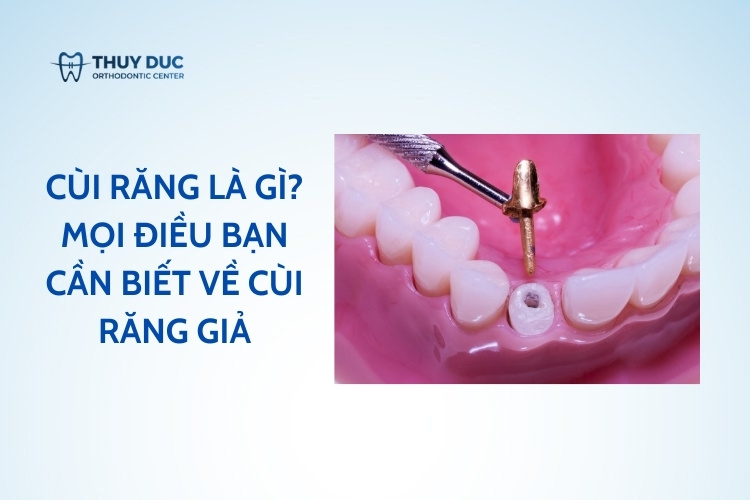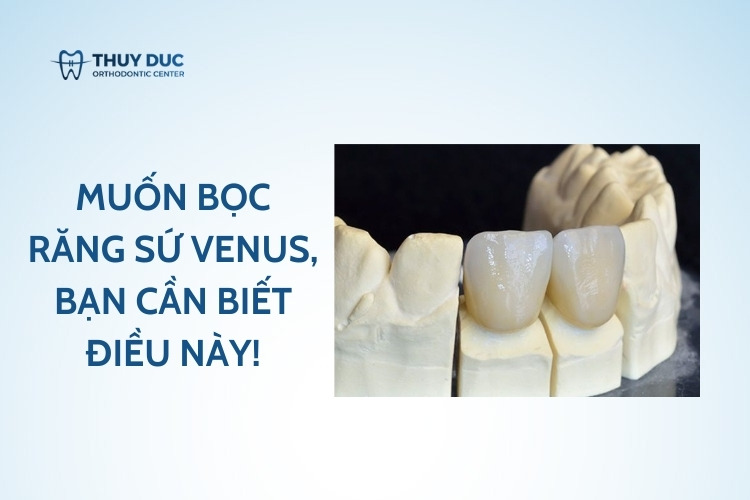
Dental crowns are commonly used to restore teeth that have been badly damaged, weakened after root canal treatment, heavily filled, cracked or significantly affected in shape and appearance. In Hanoi, patients can choose between large public hospitals, hospital-based dental departments and private dental clinics offering different types of ceramic restorations.
For international residents, however, comparing clinics can be difficult. The advertised price per tooth is only one part of the decision. The dentist’s experience, the amount of natural tooth that needs to be prepared, the condition of the gums and bite, the ceramic material, laboratory quality and follow-up policy can all affect the final result.
The following list introduces 10 hospitals and dental clinics in Hanoi that provide dental crown and restorative dentistry services. The first three are major hospital-based providers, followed by private dental clinics that may offer greater appointment flexibility and a stronger focus on cosmetic dentistry.
Mục lục
- 1. National Hospital of Odonto-Stomatology, Hanoi
- 2. Hanoi Medical University Hospital
- 3. Department of Dentistry – 108 Military Central Hospital
- 4. Thuy Duc Dental Clinic
- 5. Kim Dental
- 6. Hong Ngoc Hospital dental department
- 7. Parkway Dental
- 8. Lac Viet Intech Dental
- 9. Win Smile Dental
- 10. Viet Bi Dental Clinic
- What should you compare before choosing a dental crown clinic?
1. National Hospital of Odonto-Stomatology, Hanoi
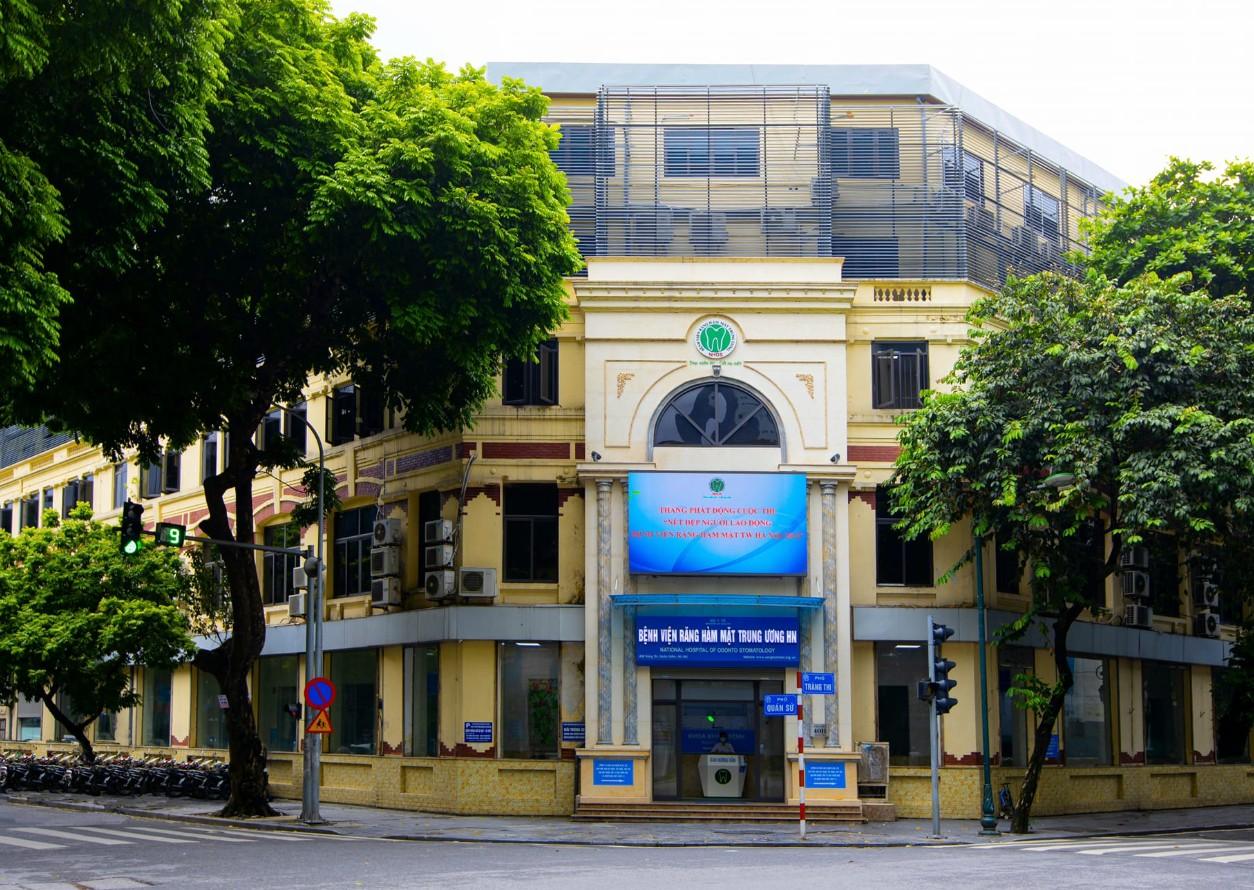
The National Hospital of Odonto-Stomatology, Hanoi is one of Vietnam’s leading specialist hospitals for oral and maxillofacial care. Located at 40B Trang Thi Street in central Hanoi, the hospital operates directly under the Ministry of Health and combines clinical treatment with professional training and dental research.
For patients considering dental crowns, an important advantage is the hospital’s dedicated Department of Prosthodontics. The department has a long history of restorative treatment and provides fixed and removable dental prostheses for patients with damaged or missing teeth.
The department began using porcelain-fused-to-metal restorations in the late 1990s and subsequently introduced metal-free ceramic restorations into routine clinical practice. This gives the hospital considerable institutional experience with both conventional and modern restorative methods.
Patients with complicated dental conditions can also benefit from the hospital’s other specialist departments, including endodontics, periodontics, implant dentistry and oral surgery. For example, a tooth that appears to need a crown may first require root canal treatment or periodontal care before restoration can safely begin.
Why patients may consider this hospital:
- A specialist hospital dedicated to oral and maxillofacial treatment
- A dedicated prosthodontic department
- Access to endodontic, periodontal, implant and surgical specialists
- Suitable for complicated restorative cases
- Central location in Hoan Kiem
The main trade-off is convenience. As with many large public hospitals, waiting times and administrative procedures may be longer than at private dental clinics. For patients whose priority is specialist assessment rather than a highly personalised cosmetic experience, however, the hospital remains an important option in Hanoi.
2. Hanoi Medical University Hospital
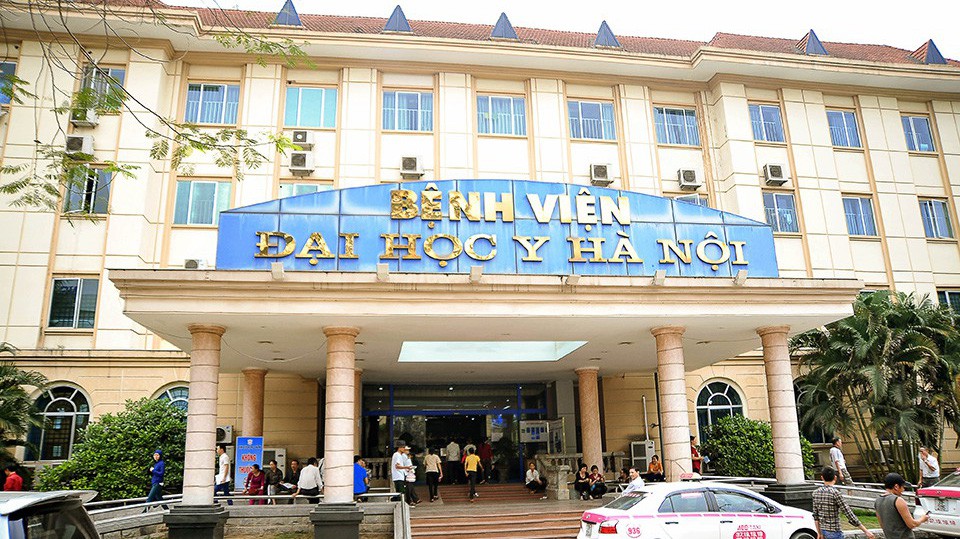
Hanoi Medical University Hospital is closely connected with one of Vietnam’s major medical training institutions. Its dental and oral healthcare services benefit from the academic environment of Hanoi Medical University, where many doctors are involved in clinical work, education and professional development.
For restorative dentistry, patients can be examined to determine whether a damaged tooth can be restored conservatively or requires a crown. This assessment is important because a crown should not automatically be the first option for every discoloured, chipped or uneven tooth.
The process may include a clinical examination and dental imaging when required. Teeth with deep decay or pulp involvement may need endodontic treatment before crown preparation, while active gum disease should normally be controlled before the definitive restoration is fitted.
One advantage of a university-affiliated hospital is its medical approach to diagnosis. Treatment generally begins with the condition of the tooth and surrounding tissues rather than purely cosmetic expectations.
Points to consider:
- University-affiliated medical environment
- Access to dentists with academic and clinical backgrounds
- Appropriate for restorative cases involving underlying dental disease
- Convenient location in Dong Da
- Hospital-based examination and treatment process
This may be a suitable choice for patients who want their restoration assessed primarily from a medical and functional perspective. Those looking for extensive smile design or highly customised cosmetic dentistry may wish to compare the hospital approach with private aesthetic clinics before deciding.
3. Department of Dentistry – 108 Military Central Hospital
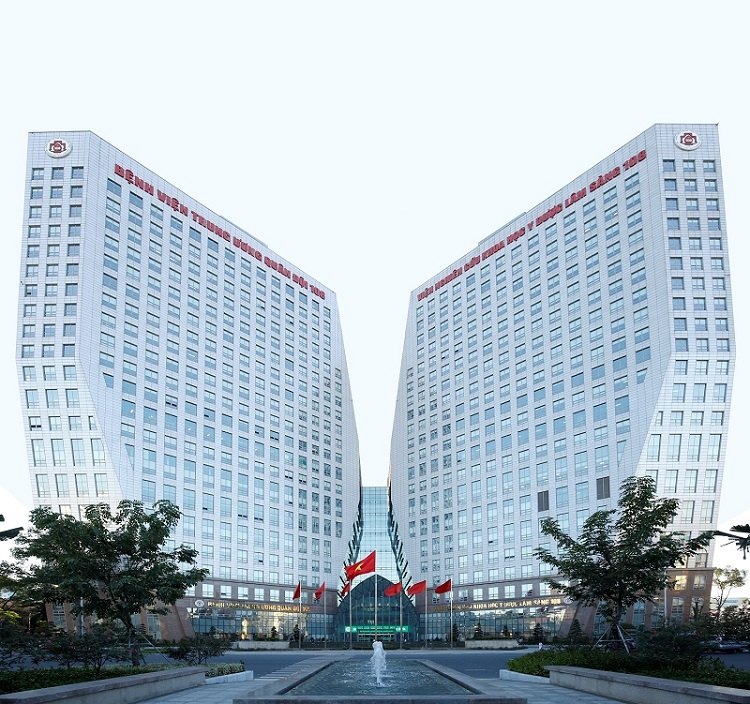
The Department of Dentistry at 108 Military Central Hospital provides diagnosis, treatment and dental prosthetic rehabilitation for both military personnel and the general public.
The department performs a broad range of restorative treatments, including fixed prostheses made from metal, precious alloys, porcelain-fused-to-metal materials and metal-free ceramics. It also provides endodontics, implant dentistry, orthodontics and other forms of general dental care.
This range of treatment can be useful in more complicated crown cases. For example, a heavily damaged molar may require root canal therapy, reconstruction of the remaining tooth and a crown, while a missing tooth may need an implant-supported crown instead of a conventional tooth-supported bridge.
Because the dental department is located within a major multidisciplinary hospital, patients with significant medical conditions can also benefit from access to other specialties if additional assessment is needed.
Why patients may consider 108 Military Central Hospital:
- Hospital-based restorative dentistry
- Both metal-ceramic and metal-free restorations available
- Root canal and implant treatment within the same department
- Suitable for patients with more complicated medical backgrounds
- Strong emphasis on clinical treatment rather than cosmetic marketing
Hospital-based treatment may involve more waiting than private dentistry, but it can be a practical choice when the dental crown is part of a larger medical or restorative treatment plan.
4. Thuy Duc Dental Clinic
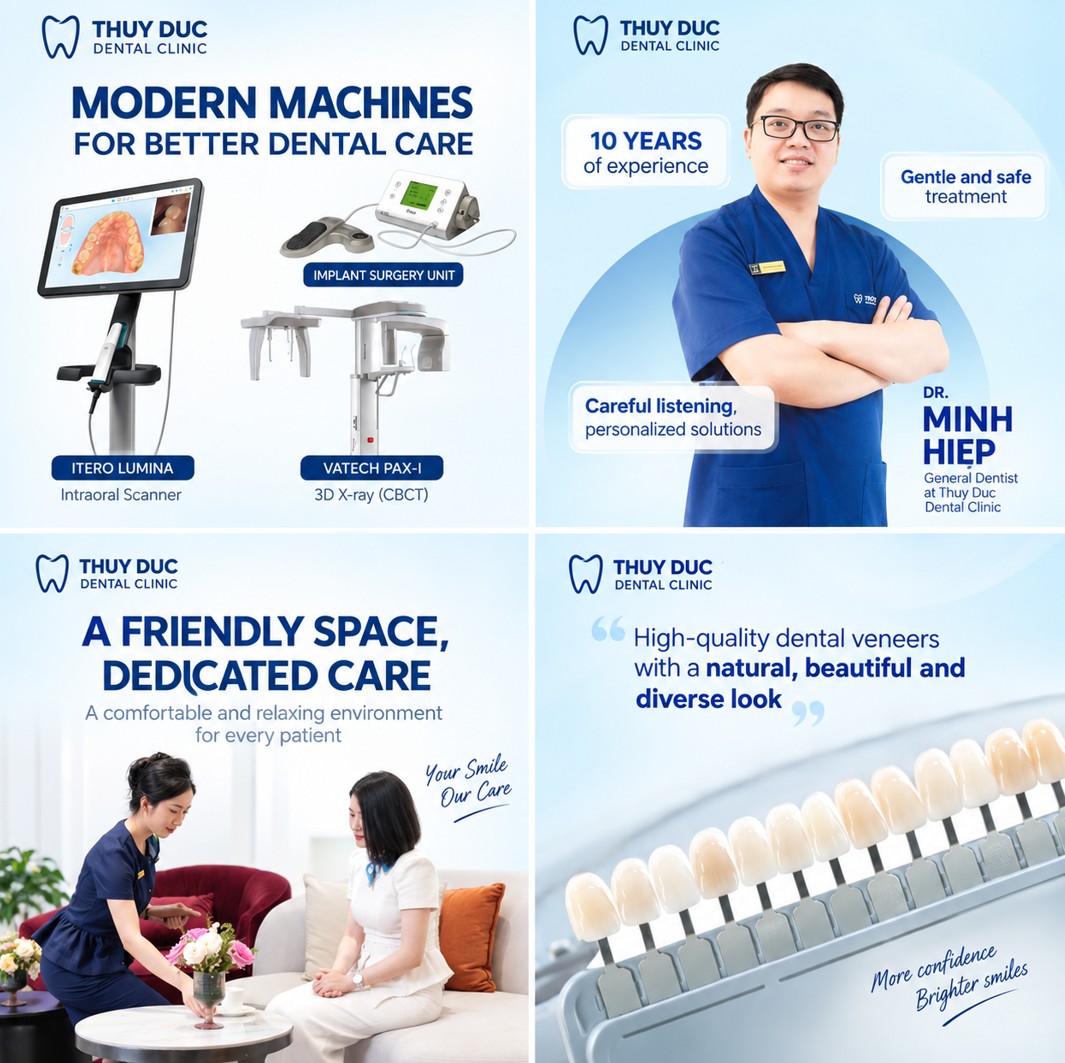
Among private dental providers in Hanoi, Thuy Duc Dental Clinic is an established option for restorative and cosmetic dental treatment. The clinic was founded in 2006 by Dr. Pham Van Viet, former head of the Department of Odonto-Stomatology at Huu Nghi Hospital.
Dental crowns at Thuy Duc are approached from both a restorative and aesthetic perspective. This is important because an attractive crown should not simply be white. It also needs to fit the prepared tooth accurately, maintain a healthy relationship with the gums, contact the neighbouring teeth properly and work with the patient’s bite.
Assessment before preparing the natural tooth
Before treatment, the dentist examines the tooth to determine why a crown is being considered and whether another treatment could preserve more natural tooth structure.
Crowns are commonly considered for teeth that are extensively damaged, cracked, heavily restored or weakened following root canal treatment. In cosmetic cases, the dentist also needs to consider whether alternatives such as whitening, orthodontics or porcelain veneers may require less removal of healthy enamel.
This distinction matters because crown preparation is irreversible. Patients who are worried about this aspect can read more about whether dental crowns can weaken natural teeth before deciding on treatment.
Digital technology for restorative planning
Thuy Duc uses digital dental technology for diagnosis and treatment planning. Depending on the case, digital scanning can provide a three-dimensional record of the teeth and bite, reducing reliance on conventional impression materials.
This digital information can assist with the design of the restoration and communication between the dentist and dental technician. The objective is not simply to produce a crown that fits onto the tooth, but to create appropriate contact points, margins and occlusion.
For aesthetic restorations, details such as tooth width, length, translucency and shade also need to harmonise with the adjacent teeth and the patient’s overall smile.
A range of ceramic materials
The clinic provides both more affordable and premium restorative materials. Metal-based restorations remain an option in certain cases, while all-ceramic crowns are often preferred in visible areas because they can provide more natural translucency and avoid a metal framework.
Patients unfamiliar with the differences can review this guide to understand all-ceramic dental crowns before choosing a material.
| Ceramic option | Reference price / tooth | General positioning |
|---|---|---|
| Titan | VND 2,000,000 | Metal-based restoration and more budget-oriented option |
| Venus | VND 4,000,000 | All-ceramic option for general restorative and aesthetic needs |
| Ceramill | VND 5,000,000 | All-ceramic restoration with CAD/CAM-supported fabrication |
| Emax | VND 6,000,000 | Often considered when natural translucency and aesthetics are important |
| Lava | VND 7,000,000 | Premium restorative option combining strength and aesthetics |
These prices should be treated as references rather than final quotations. Existing decay, root canal treatment, replacement of an old crown or other dental procedures can change the total cost. A more detailed breakdown is available in this guide to the cost of dental crowns.
A structured crown treatment process
A typical crown procedure involves examination, treatment planning, tooth preparation, impression or digital scanning, laboratory fabrication and final fitting. The dentist then checks the crown margins, contact with neighbouring teeth and bite before definitive cementation.
The details are important because an inaccurate crown may feel high when biting, trap food or create areas that are difficult to clean. Patients who want to understand each stage before treatment can review the step-by-step dental crown procedure.
Thuy Duc may therefore suit patients who want the convenience of a private clinic while still having access to general dentistry, endodontics, imaging and restorative treatment within the same dental provider.
5. Kim Dental

Kim Dental is a large private dental system operating in several cities in Vietnam, including Hanoi. Restorative and cosmetic dentistry form an important part of its service portfolio.
For ceramic restorations, Kim Dental uses digital tools such as intraoral scanning and CAD/CAM-supported design. The system also operates a dental laboratory, allowing clinical information to be transferred directly to technicians involved in fabrication.
This integration can be useful because crown quality depends on both clinical preparation and laboratory work. Even a carefully prepared tooth can produce an unsatisfactory result if the restoration has incorrect margins, shade, shape or occlusion.
The clinic provides several materials at different price levels, including zirconia-based and other all-ceramic restorations. Patients should ask not only for the commercial name of the ceramic but also why that material is being recommended for their particular tooth.
Points to consider:
- Large dental system with standardised processes
- Digital intraoral scanning
- CAD/CAM-supported restorative design
- Dental laboratory integrated into the system
- Several ceramic options available
6. Hong Ngoc Hospital dental department
Hong Ngoc Hospital provides dental and oral healthcare within a multidisciplinary private hospital system in Hanoi. Dental crown treatment is available alongside general dentistry and other restorative services.
A hospital environment may be attractive to patients who have underlying health conditions or who prefer access to other medical specialties if additional assessment is required.
The hospital presents crowns primarily as a way of restoring damaged or structurally compromised teeth while also improving shape and appearance. As with other providers, patients should be assessed first because not every cosmetic concern requires removal of tooth structure for a crown.
Points to consider:
- Dental care within a private hospital environment
- Access to other medical specialties
- Restorative and general dental services available
- Suitable for patients who value hospital-based healthcare
7. Parkway Dental
Parkway Dental operates several dental clinics in Hanoi and provides both general and cosmetic restorative treatment.
The system lists different ceramic materials for crown treatment, including Cercon, zirconia and Emax options. Having several material choices can be useful, but patients should remember that there is no single ceramic that is automatically best for every tooth.
A posterior tooth exposed to strong chewing forces may have different requirements from a highly visible upper front tooth. The amount of remaining natural tooth, bite relationship and whether the patient grinds their teeth can also affect material selection.
Points to consider:
- Several clinic locations in Hanoi
- Different ceramic crown materials available
- General and cosmetic dentistry within the same system
- Convenient for patients requiring follow-up visits
8. Lac Viet Intech Dental
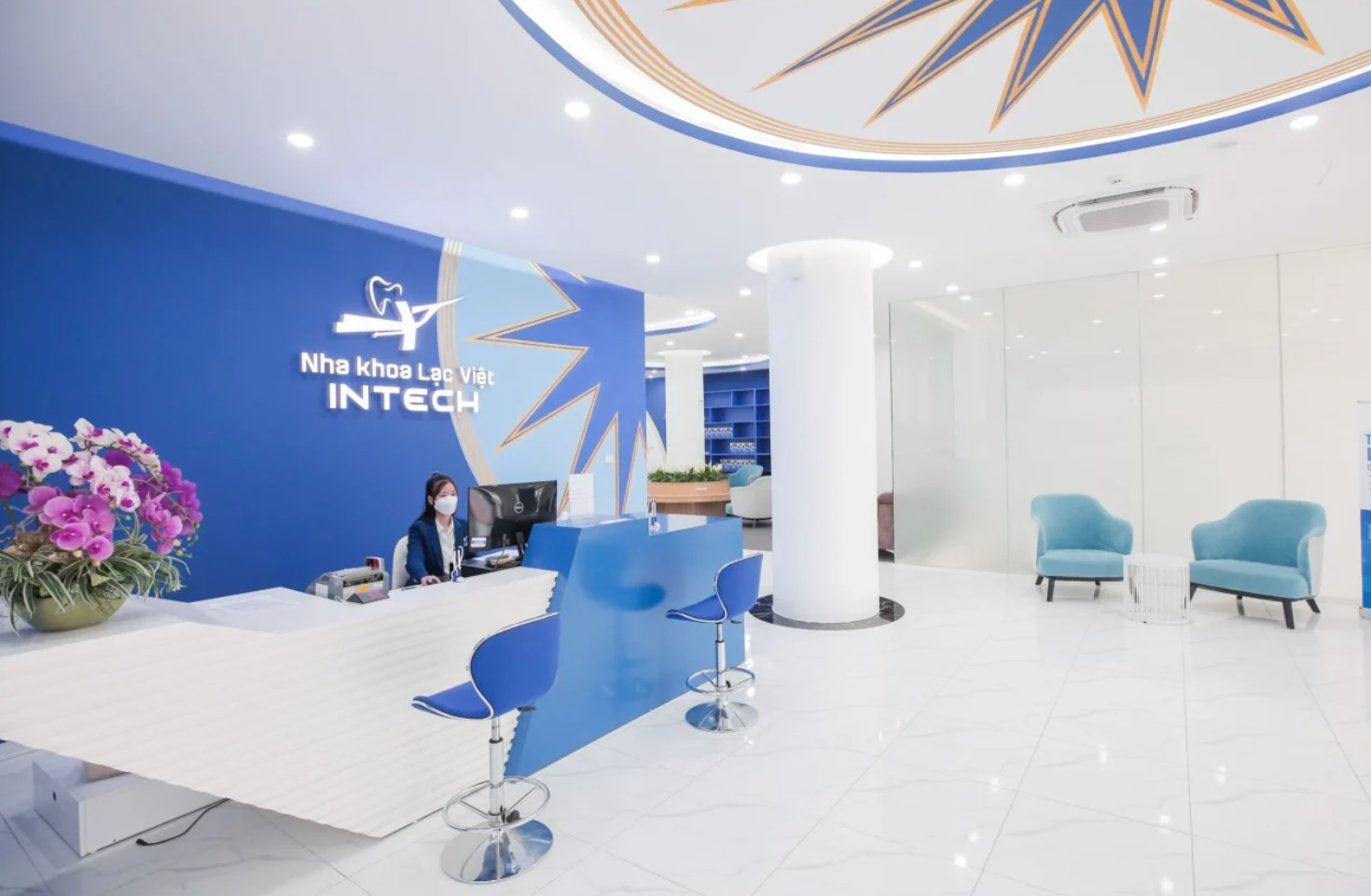
Lac Viet Intech Dental is a multi-location private dental system in Hanoi. The clinics provide orthodontics, implant dentistry, restorative treatment and cosmetic dental services.
Digital diagnostic equipment and scanning technology are incorporated into different treatment areas. In restorative dentistry, digital data can support more accurate communication of tooth shape and bite information during the fabrication process.
The system offers several categories of ceramic restorations, allowing patients to compare materials according to aesthetic requirements, tooth position and budget.
Points to consider:
- Multiple Hanoi locations
- Digital dentistry incorporated into treatment
- Restorative, orthodontic and implant services available
- Different ceramic materials according to treatment requirements
9. Win Smile Dental
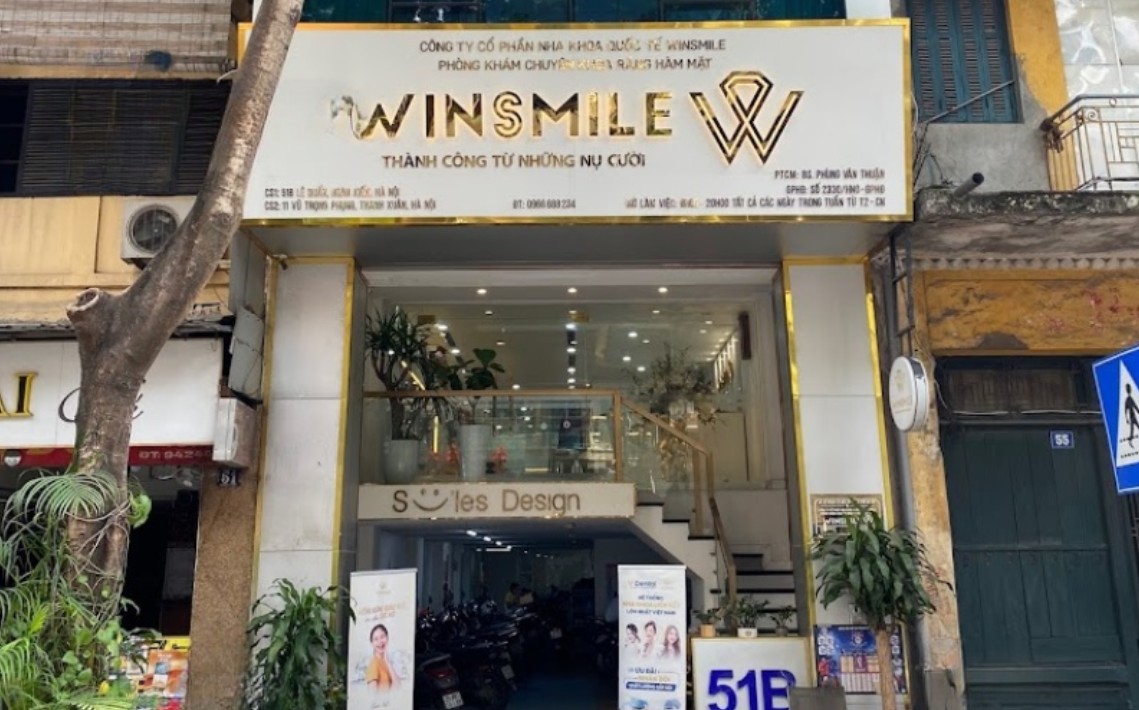
Win Smile has a stronger cosmetic-dentistry orientation than hospital-based providers and offers dental crowns, veneers, implants and other aesthetic treatments.
The clinic works with several ceramic systems and promotes digital smile-planning technology as part of aesthetic treatment. This can be useful when several anterior teeth are being restored and the overall proportions of the smile need to be considered rather than treating each crown independently.
However, cosmetic planning should still begin with oral health. Teeth with active decay, gum inflammation or endodontic problems need appropriate treatment before definitive cosmetic restorations are fitted.
Points to consider:
- Strong focus on cosmetic dentistry
- Different premium ceramic materials available
- Digital smile-planning technology
- Suitable for patients considering several aesthetic restorations
10. Viet Bi Dental Clinic
Viet Bi Dental Clinic is another private dental provider in Hanoi offering restorative and cosmetic services alongside general dentistry.
The clinic provides both conventional and all-ceramic restoration options, allowing patients to choose according to treatment position, aesthetic expectations and budget.
Like other private clinics, one of its practical advantages is appointment flexibility. Patients who need several stages of treatment, temporary crowns or bite adjustments may find repeated visits easier to arrange than within a busy public hospital.
Points to consider:
- Private dental environment
- General and cosmetic restorative treatment
- Several ceramic options
- Flexible scheduling for follow-up appointments
What should you compare before choosing a dental crown clinic?
The quality of a crown cannot be judged from its colour or brand alone. Before agreeing to treatment, ask the dentist why the tooth needs a crown and whether a less invasive alternative is possible.
You should also understand how much tooth preparation is expected, whether root canal treatment is necessary, what ceramic is being recommended and what is included in the quotation. A low advertised crown price may not include treatment for existing decay, core reconstruction, temporary restorations or other procedures.
The fit of the final crown is equally important. A restoration that is too high can interfere with the bite, while poorly adapted margins may make oral hygiene more difficult. For front teeth, shade, translucency, surface texture and symmetry with neighbouring teeth become particularly important.
Mild sensitivity can sometimes occur after tooth preparation. It should generally improve rather than become progressively worse. Patients experiencing persistent discomfort can read more about sensitivity after dental crown treatment and when further examination may be needed.
Finally, remember that a ceramic crown does not make the underlying tooth maintenance-free. The gumline and natural tooth structure around the restoration still need regular cleaning. Brush carefully twice a day, clean between the teeth, avoid repeatedly biting very hard objects and attend regular dental examinations.
For international residents in Hanoi, communication should also be part of the decision. Before treatment begins, make sure you understand the diagnosis, proposed preparation, ceramic material, number of appointments, total expected cost and follow-up policy. The aim should not simply be to achieve whiter teeth, but to create restorations that look appropriate, function comfortably and protect the remaining natural tooth for as long as possible.